
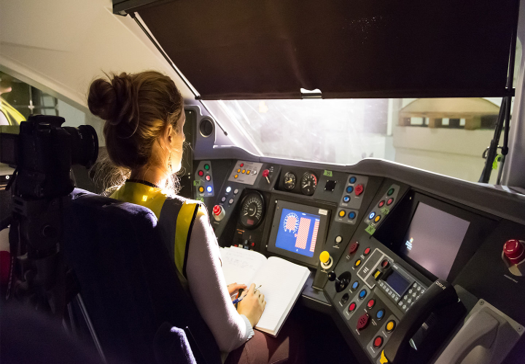
The increasing complexity of rail infrastructure is placing a strain on its design and evaluation. Protecting the UK’s Critical National Infrastructure means this infrastructure must be resilient in the face of existing and emerging threats. Yet, this infrastructure also needs to fit around the needs and expectations of a wide range of people, including passengers, drivers, and station staff. Failing to attend to human factors impacts not only the revenue of rail operators, but the safety of passengers and rail operator staff if poor design leads to human errors or intentional violations when technology makes unreasonable demands on time and effort. Rail infrastructure can only be safe and secure if safety, security, and human factors engineers collaborate on its design and evaluation.
Although BU researchers have developed design techniques and tools that might form the basis of such future collaboration, e.g. the open-source CAIRIS software design tool, there have been no examples of techniques, tools, or frameworks to support this level of collaborative design and evaluation in critical infrastructure engineering.
The aim of this doctoral research project is to develop a tool-supported framework for integrating safety, security, and human factors engineering techniques for designing and evaluating rail infrastructure systems. In developing this framework, we will draw on best practice in Human Factors, Systems Safety, and Security-by-Design to devise new approaches for eliciting, specifying, and providing assurance about system specifications in climates where rail security, safety, and usability concerns might be in tension.
Contacts: Amna Altaf, Shamal Faily, Huseyin Dogan
Funders: Bournemouth University, Ricardo Rail
Collaborators: Bournemouth University, Ricardo Rail